
PUBG: Battlegrounds launches Prop Hunt mode as PUBG: Blindspot shuts down
April 1, 2026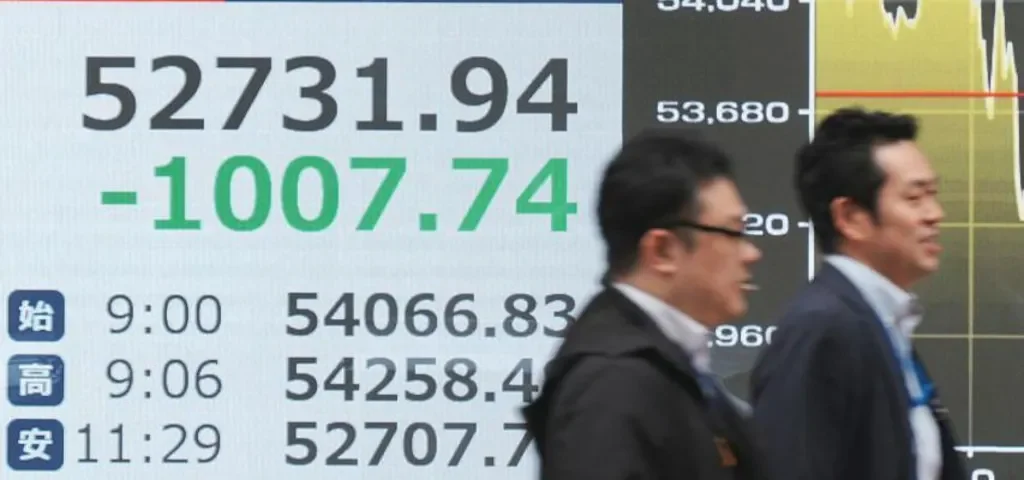
Global oil prices surged sharply after Donald Trump renewed threats of intensified military action against Iran, raising fresh concerns about prolonged disruption to global energy supplies.
Benchmark Brent crude jumped nearly 7% to reach $107.60 per barrel, while West Texas Intermediate climbed 6.4% to around $106.50. The surge came shortly after Trump’s address from the White House, where he signalled further escalation in the ongoing conflict.
In his remarks, Trump stated that the United States would achieve its strategic objectives “very shortly,” while warning of continued military strikes in the coming weeks. However, he did not provide a clear roadmap for ending the conflict, dampening earlier market optimism about a potential de-escalation.
The ongoing war has significantly disrupted global oil and gas flows, particularly through the Strait of Hormuz—a critical transit route for global energy supplies. Shipments through the passage have largely stalled following threats from Iran to target tankers in response to US-Israeli strikes that began in late February.
Earlier in the day, oil prices had briefly dipped below $100 per barrel amid expectations that Trump might outline a strategy to ease tensions. However, the absence of concrete timelines and continued aggressive rhetoric reversed those gains.
Energy analysts say the price spike reflects growing investor concern over supply constraints. Alberto Bellorin of InterCapital Energy described the rally as a “market reality check,” noting that hopes for a near-term ceasefire have faded. He added that reopening the Strait of Hormuz could take months rather than weeks.
Trump also urged other nations to take action to restore shipping routes in the Gulf, signalling that the United States may not take sole responsibility for stabilising the region’s energy flows.
Market volatility extended beyond oil, with major Asian stock indices falling after the speech. Japan’s Nikkei 225 dropped 2.4%, South Korea’s Kospi declined 4.5%, and Hong Kong’s Hang Seng Index fell 1.3%.
Analysts warn that Asia remains particularly vulnerable to the الأزمة, given its heavy reliance on Middle Eastern energy imports. With tensions showing no signs of easing, global markets are likely to remain under pressure in the near term.